The homeowner’s reference
Radon system maintenance: 7 checks for homeowners
Check your system's warning device regularly and follow the installer's operating instructions. A running fan or a normal-looking pressure gauge does not establish your home's radon level. A radon test checks the result; EPA advises retesting at least every two years after mitigation.
Sources: EPA: Checking whether a mitigation system works; EPA: Indoor AirPlus verification requirements, section 2.2.1.6 (PDF).
1. Find the instructions for your system
Keep the operating instructions near your radon records. Identify the system, installer, warning device and any maintenance schedule. Different system designs need different care; use the instructions for the equipment installed in your home.
If you inherited the system when buying the house, ask for the installation documents and test history. Make a list of anything missing before contacting a professional.
Sources: EPA: Consumer's Guide to Radon Reduction (2025, PDF); EPA: Home Buyer's and Seller's Guide to Radon (2024, PDF).
2. Check the warning device against its normal setting
Look at the indicator or alarm as instructed. A U-tube manometer is a pressure indicator, not a radon-concentration detector. Compare it with the installer's marked setting instead of trying to translate its reading into pCi/L.
If an alarm activates or the indicator differs from the documented normal condition, contact the installer. Record what you observed and when.
Sources: EPA: Indoor AirPlus verification requirements, section 2.2.1.6 (PDF); EPA: Consumer's Guide to Radon Reduction (2025, PDF).
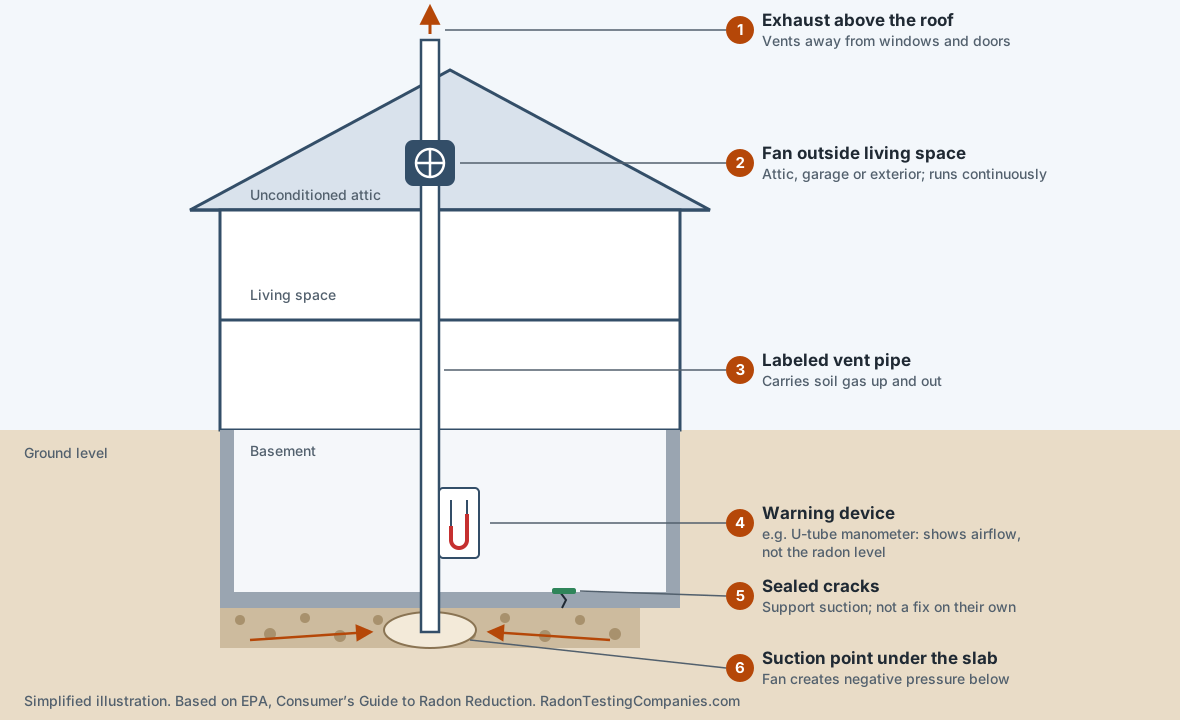
How an active sub-slab system works. The fan draws soil gas from under the slab and vents it above the roof; the manometer shows the system is pulling air, not the radon level in the home.
Sources: EPA: Consumer's Guide to Radon Reduction (2025, PDF).
3. Keep an active system operating
An active soil-suction system relies on its fan operating continuously. Make sure other household work has not left the system switched off or disconnected. Follow the equipment instructions if there is a power or electrical problem; arrange qualified service rather than changing the wiring.
Sources: EPA: Consumer's Guide to Radon Reduction (2025, PDF).
4. Note visible changes before a service call
From places you can safely access, note damaged piping, a loose cover or changes around the system after other work. Take a photo for the installer. This is information for a service conversation, not a homeowner inspection that certifies the installation.
Avoid opening sealed parts or modifying the system to investigate. Ask the installer whether the change needs attention.
Sources: EPA: Consumer's Guide to Radon Reduction (2025, PDF).
5. Check that you have a post-installation radon result
A fan indicator is not a substitute for testing the air. North Carolina DHHS recommends a post-mitigation test no earlier than 24 hours and no later than 30 days after activation. It also notes that an independent tester can avoid a conflict of interest.
If that report is missing, ask the installer about it and arrange appropriate testing. Check the timing and requirements with your state program or tester.
Sources: North Carolina DHHS: Radon Mitigation.
6. Put retesting on the calendar
EPA recommends testing at least every two years to check that radon levels remain low. Its guidance also says to inspect the warning device regularly. These are separate checks: one concerns system operation and the other measures indoor radon.
7. Keep service and warranty records together
Save the original scope, warranty, test reports and later service notes in one folder. Before approving work, ask which parts, labor or follow-up testing the proposal includes and whether an existing warranty applies. A warranty for hardware and a promise about radon reduction may have different terms.
What changes the price of a new system is covered in the radon mitigation cost guide. That guide does not list a price.
Sources: North Carolina DHHS: Radon Mitigation.
Have these details ready when you call
- Installer and system details, if known.
- A photo of the warning device and its marked normal setting.
- What changed and when you noticed it.
- The date and result of the most recent radon test.
- Your installation paperwork and warranty.
Find a credentialed provider
Use the mitigation directory to check a professional's credential, then ask whether they service your system. Use testing listings when you need a radon measurement; service availability is not recorded in this directory. For a new system, read what changes a mitigation quote before you compare estimates.
Find providers in your area · Check credentials by state
Testing instructions and requirements depend on the test, building and jurisdiction. Use the linked agency guidance and your qualified professional’s instructions for your situation.